As pretty much all sane persons do indeed want, there should laws in place to protect children. And no one could argue that the Internet is a Wild West breeding ground for images and speech. But can KOSA truly offer the protections most needed for kids and net searching, and indeed, does the new and improved KOSA sill carry with it a restriction on free speech? In fact, will legislation of this type always carry with it censorship concerns?
For and against
Presumptive Democratic Presidential nominee Kamala Harris wrote across her X feed:
“I applaud the Senate for passing the Kids Online Safety and Privacy Act today. This bipartisan legislation will help protect children's mental health, safety, and privacy online. I have spent my entire career fighting for the wellbeing of children, and I urge Congress to pass this bill as we continue to invest in our children and their health.”
And President Biden has already indicated that he would sign KOSA into law. Still, plenty of folks, from both sides of the political fence, oppose KOSA…and always have.
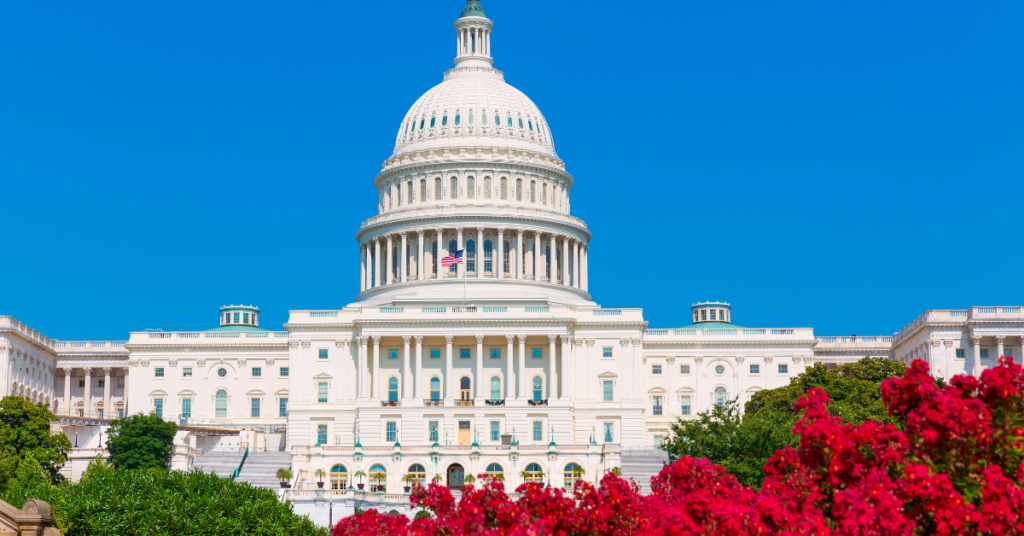
As indicated, in the senate, the bill passed with a resounding 91-3 vote (democratic senators Ron Wyden, Republican Rand Paul, and Republican Mike Lee, cast the dissenting votes) but just yesterday, it was made plain that the House will not entertain KOSA as it currently is written.
Not just pundits on Capital Hill, but free speech organizations like the ACLU and FSC are also against KOSA. Jenna Leventoff, senior policy counsel at the ACLU says.
“As state legislatures and school boards across the country impose book bans and classroom censorship laws, the last thing students and parents need is another act of government censorship deciding which educational resources are appropriate for their families.”
The ACLU goes on to add: “This bill would not keep kids safe, but instead threaten young people’s privacy, limit minors’ access to vital resources, and silence important online conversations for all ages.“
To this point, if KOSA is set into law, content creators fear the proliferation of new content filters that will stretch too far. With the Federal Trade Commission free to decide these matters, as KOSA will allow, certain content could be viewed to be dangerous by whatever party comes into power.
The Electronic Frontier Foundation (EFF) also opposes KOSA. It considers the bill a danger to the rights of all users, both minors and adults. It states, “The bill requires websites, apps, and online platforms to filter and block legal speech, which raises censorship concerns. “
And plenty of LGBTQ+ groups, oppose KOSA, even in its new and improved version. The concern specifically here is that people who make online content about sex education, and LGBTQ+ identity and health, might come under persecution with the legislation.
The End Of KOSA?
Legislation like KOSA won’t just die on the vine. We shall see updated versions, supposed revisions and a consistent push by senators like Blackburn and Blumenthal, and many others, often in the guise of healthy bipartisanship to push the measure through to protect our children.
But protect them from what, exactly?
R
Written by
Ralph Greco
Ralph Greco, Jr. is an ASCAP licensed songwriter, professional playwright, the senior east coast correspondent/reviewer/interviewer for vintagerock.com, press liaison for The Erotic Heritage Museum, blogger for latex designer Dawnamatrix Designs, co-host of the podcast Licking Non-Vanilla and a professional copywriter for adult as well as mainstream clients around the world. Ralph is now the resident Staff Writer for Kinkly as well.
Ralph’s short fiction (erotic and ‘straight’) poetry and essays have been published in eight...
More from Ralph Greco →