With America beckoning, Rocky debuted in Los Angeles, eventually moving to New York City (rock singer Meat Loaf joined the cast in LA, playing two parts, and is in the movie, playing one). American record and film producer Lou Adler caught R.H. back in London and bought its U.S. theatrical rights, creating a bigger production for LA’s Roxy Theatre (which he owned) and later for Broadway in 1975.
Adler and Michael White produced the Rocky movie made that same year.
Thematic sexual importance
Using some costumes for filming that had been originally used in the stage production, plus set pieces and props from classic British Hammer Horror productions, the Rocky movie as much speaks to science fiction/horror fans as to the sexually marginalized. The show, written by Richard O’Brien, who infamously stars as Riff Raff in the movie, and describes himself as non-binary, 70% male and 30% female, said of the show’s inclusive sexuality:
“The fact that it is such light-hearted naughtiness, combined with root fairy tales has a lot to do with Glamrock and overt sexuality that was around, gay people were coming out and there was a ‘buzz’ in the air.”
The queer community has as much championed the movie’s celebration of all kinds of sexuality as what is quoted here as the movie’s “anti-slut-shaming,” theme. Sprinkle in Tim Curry’s fantastic turn as Frank-N-Furter, his all-out desire for all and everyone, and his movie-stopping, “Sweet Transvestite” musical number, the ending “floor show,” the affirming self-discovery and self-actualization, Rocky Horror surely is for everyone.
And unabashedly sexually so.
As O’Brien states in the interview mentioned above when coming to the show, he advises audience members to “come with an open heart and goodwill or not at all.”
The celebrated midnight run
Although the “Rocky Horror Picture Show,” did not enjoy positive reviews or run when it first premiered a singular phenomenon built up around it to make it now the longest-running theatrical release in cinema history, becoming the midnight movie shows that all others are judged, and surely worthy of a 49th-Anniversary Celebration.
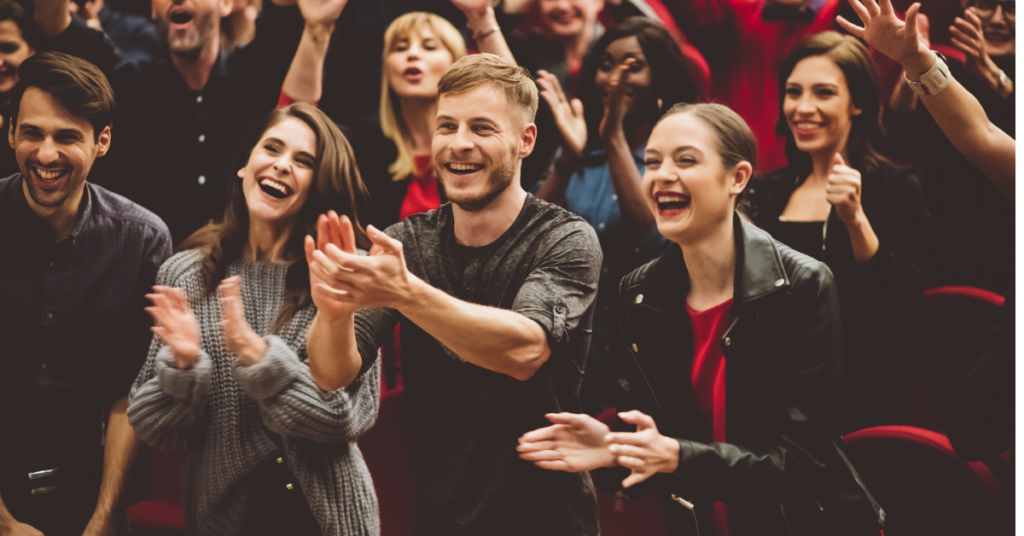
Somehow, the film became a hit at New York City’s Waverly Theater in 1976. This is where Rocky Horror’s famous audience “talk back,” began, with people returning again and again to watch the movie, screaming lines to it as much as answers prior to what a character says on the screen, came dressed as the film’s characters and began miming and lip-synching performances while the movie played on the screen above them.
This famous scene from the film “Fame” shows one such Wavery performance.
The Rocky Horror Picture Show gathering was a very serious undertaking I witnessed (and even got up to dance to) countless times on Friday nights in 1978 at a local theater to my NJ burb. To say there wasn’t anything else like it playing across movie theaters in the U.S. would be a grand understatement. And as much as I though the music was wonderful, and the campy flick spoke to my science fiction-loving heart (and I couldn’t get enough of looking at Susan Sarandon) there was certainly more there there even if I wasn’t, as of yet, aware of the deeper themes.
The near-ending song and tag like "Don't Dream It, Be It" truly reveals the theme.
As Obrien says above: “I’m just so grateful that I’ve been part of something that has so uniquely left its mark.”
And Rocky Horror has.
R
Written by
Ralph Greco
Ralph Greco, Jr. is an ASCAP licensed songwriter, professional playwright, the senior east coast correspondent/reviewer/interviewer for vintagerock.com, press liaison for The Erotic Heritage Museum, blogger for latex designer Dawnamatrix Designs, co-host of the podcast Licking Non-Vanilla and a professional copywriter for adult as well as mainstream clients around the world. Ralph is now the resident Staff Writer for Kinkly as well.
Ralph’s short fiction (erotic and ‘straight’) poetry and essays have been published in eight...
More from Ralph Greco →